


Sexually transmitted diseases
Sexually transmitted diseases (STDs), or sexually transmitted infections (STIs), are infections that are passed from one person to another through sexual contact. The contact is usually vaginal, oral, or anal sex. But sometimes they can spread through other intimate physical contact. This is because some STDs, like herpes and HPV, are spread by skin-to-skin contact.
.png)
.png)
.png)
HIV/AIDS
HIV stands for human immunodeficiency virus. It harms your immune system by destroying a type of white blood cell that helps your body fight infection. This puts you at risk for serious infections and certain cancers. AIDS stands for acquired immunodeficiency syndrome. It is the final stage of infection with HIV. It happens when the body's immune system is badly damaged because of the virus. Not everyone with HIV develops AIDS.

Mode of Transmission
Treatments
HIV can spread in different ways:
-
Through unprotected sex with a person with HIV. This is the most common way that it spreads.
-
By sharing drug needles
-
Through contact with the blood of a person with HIV
-
From mother to baby during pregnancy, childbirth, or breastfeeding
Risk Factors
Anyone can get HIV, but certain groups have a higher risk of getting it:
-
People who have another sexually transmitted disease (STD). Having an STD can increase your risk of getting or spreading HIV.
-
People who inject drugs with shared needles
-
•Gay and bisexual men, especially those who are Black/African American or Hispanic/Latino American
-
People who engage in risky sexual behaviors, such as not using condoms
symptoms
The first signs of HIV infection may be flu-like symptoms:
-
Chills
-
Night sweats
-
Muscle aches
-
Swollen lymph nodes
-
Mouth ulcers
-
There is no cure for HIV infection, but it can be treated with medicines. This is called antiretroviral therapy (ART). ART can make HIV infection a manageable chronic condition. It also reduces the risk of spreading the virus to others.
-
Most people with HIV live long and healthy lives if they get and stay on ART. It's also important to take care of yourself. Making sure that you have the support you need, living a healthy lifestyle, and getting regular medical care can help you enjoy a better quality of life.
prevention
You can reduce the risk of spreading HIV by:
-
Getting tested for HIV
-
Choosing less risky sexual behaviors. This includes limiting the number of sexual partners you have and using latex condoms every time you have sex. If your or your partner is allergic to latex, you can use polyurethane condoms.
-
Getting tested and treated for sexually transmitted diseases (STDs)
-
Not injecting drugs
-
Talking to your health care provider about medicines to prevent HIV:
-
PrEP (pre-exposure prophylaxis) is for people who don't already have HIV but are at very high risk of getting it. PrEP is daily medicine that can reduce this risk.
-
PEP (post-exposure prophylaxis) is for people who have possibly been exposed to HIV. It is only for emergency situations. PEP must be started within 72 hours after a possible exposure to HIV.
gonorrhea
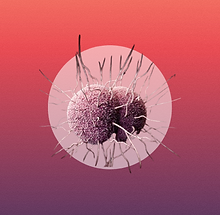
Gonorrhea is a sexually transmitted disease. It is most common in young adults. The bacteria that cause gonorrhea can infect the genital tract, mouth, or anus. You can get gonorrhea during vaginal, oral, or anal sex with an infected partner. A pregnant woman can pass it to her baby during childbirth.
symptoms
-
Gonorrhea does not always cause symptoms. In men, gonorrhea can cause pain when urinating and discharge from the penis. If untreated, it can cause problems with the prostate and testicles.
-
In women, the early symptoms of gonorrhea often are mild. Later, it can cause bleeding between periods, pain when urinating, and increased discharge from the vagina. If untreated, it can lead to pelvic inflammatory disease, which causes problems with pregnancy and infertility.
Treatments
Your health care provider will diagnose gonorrhea with lab tests. Treatment is with antibiotics. Treating gonorrhea is becoming more difficult because drug-resistant strains are increasing.
prevention
Correct usage of latex condoms greatly reduces, but does not eliminate, the risk of catching or spreading gonorrhea. If your or your partner is allergic to latex, you can use polyurethane condoms. The most reliable way to avoid infection is to not have anal, vaginal, or oral sex.
Syphilis
Syphilis is a sexually transmitted disease caused by bacteria. It infects the genital area, lips, mouth, or anus of both men and women. You usually get syphilis from sexual contact with someone who has it. It can also pass from mother to baby during pregnancy.
symptoms
-
The early stage of syphilis usually causes a single, small, painless sore. Sometimes it causes swelling in nearby lymph nodes. If you do not treat it, syphilis usually causes a non-itchy skin rash, often on your hands and feet. Many people do not notice symptoms for years. Symptoms can go away and come back.
-
The sores caused by syphilis make it easier to get or give someone HIV during sex. If you are pregnant, syphilis can cause complications, or you could lose your baby. In rare cases, syphilis causes serious health problems and even death.
Treatments
Your health care provider will diagnose syphillis with lab tests. Syphilis is easy to cure with antibiotics if you catch it early.
prevention
Correct usage of latex condoms greatly reduces, but does not completely eliminate, the risk of catching or spreading syphilis. If your or your partner is allergic to latex, you can use polyurethane condoms. The most reliable way to avoid infection is to not have anal, vaginal, or oral sex.
