


.png)
.png)
REPRODUCTIVE
CANCER
female
Reproductive Cancer
Reproductive malignancies begin in the reproductive organs (sex). The pelvis contains these organs. The pelvis is the area between the hip bones in the lower belly. But reproductive cancer is not only limited to such major organs, but also the breasts of the body, which are some of its sub-aspects, specifically occurring among Female Individuals. To state the concern besides the breast, it mainly affects the cervix, uterus, vulva, endometrium or ovaries of Female individuals.

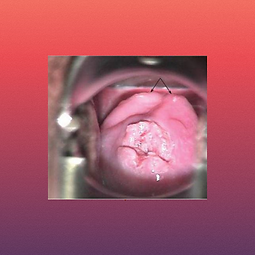
Cervical Cancer
Cervical cancer is a type of cancer that begins in the cells of the cervix, the lower part of the uterus that connects to the vagina. Various strains of the human papillomavirus (HPV), a sexually transmitted disease, are involved in the development of most cervical cancers. When exposed to HPV, the body's immune system correlates the tendency to prevent the virus from harming it, however, in a small proportion of individuals, the virus has the capability to survive for years and contribute to the process by which the cervical cells become malignant.
types
-
Squamous cell carcinoma. This type of cervical cancer begins with thin, flat cells (flat epithelial cells) that cover the outer part of the cervix that protrudes into the vagina. Most cervical cancers are squamous cell carcinomas.
-
Adenocarcinoma. This type of cervical cancer begins with columnar glandular cells that line the inside of the cervix.
Risk Factors
-
Early Sexual Activity
-
Numerous Sexual Partners
-
Presence of a weakened immune system
-
Habit of Smoking
-
Presence of sexually transmitted infections (STIs)
symptoms
-
Early stage of this malignancy implies no signs or symptoms, but as it arises in presence, Signs and symptoms include:
-
Presence of Vaginal bleeding after intercourse, between menstruation cycles or after menopause.
-
Presence of Watery, Bloody discharge on the vagina that has characteristics that maybe heavy and have a foul odor.
-
Presence of Pelvic pain in general, or during intercourse.
Prevention
-
Consult your doctor about present health and Vaccines
-
Include Routine Pap tests in lifestyle if abnormality is somewhat superficial
-
Practice Safe Sex
-
Avoid Smoking
-
Consult your doctor for additional information needed for well-being.
treatment
-
Surgery to cut away malignant parts
-
Trachelectomy
-
Hysterectomy
-
Radiation therapy
-
Chemotherapy
-
Targeted Therapy
-
Immunotherapy
-
Supportive [Palliative] care
-
Clinical Trials

.png)
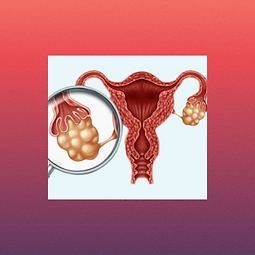
Ovarian Cancer
Ovarian cancer is a growth of cells that forms in the ovaries. to which the cells can multiply numerously and hastingly invade and destroy the healthy tissues present in the reproductive organ. implementing danger in the ovaries that produce eggs [ova] and hormones such as estrogen and progesterone.
types
Epithelial ovarian cancer. Is the most common, which includes several subtypes such as serous carcinoma and mucinous carcinoma.
-
Stromal tumors. are rare malignancies that are mostly present at an earlier stage compared to other ovarian malignancies.
-
Germ cell tumors. are a rare malignancy that tends to occur at a young age.
Risk Factors
-
Accumulating Age
-
Family History of ovarian cancer
-
Having a status of obesity or being overweight.
-
Endometriosis
-
Age of menarche and menopausal
-
Having no history of being pregnant
symptoms
-
Abdominal Swelling or bloating
-
Presence of a full stomach when eating
-
Presence of Weight loss.
-
Pelvic area discomfort
-
Presence of Fatigue
-
Presence of Back pain
-
Bowel movement changes, such as constipation
-
Frequent Urination
Prevention
-
Consideration of Birth Control Pills
-
Consultation with your doctor regarding present health.
-
Consult your doctor for additional information needed for well-being
treatment
-
Removal of one ovary surgery
-
Oophorectomy
-
Hysterectomy
-
Chemotherapy
-
Targeted therapy
-
Hormone therapy
-
Immunotherapy
-
Supportive[Palliative] care
-
Clinical trials
.png)
.png)
Endometrial Uterine Cancer
Refers to the Cancer of the uterus (womb), the organ in which the baby develops during pregnancy.
symptoms
-
Presence of Vaginal bleeding after menopause
-
Presence of Bleeding between menstrual cycles
-
Presence of Pelvic pain
Risk Factors
-
Disruption of Equilibrium of female hormones in the body
-
Early menarche depicting Increased number of Menstruation
-
Having no history of being pregnant
-
Accumulating age/Older age
-
Having a status of obesity or being overweight.
-
presence of an inherited colon cancer syndrome.
.png)
.png)
treatment
-
Hysterectomy
-
Salpingo-oophorectomy
-
Radiation Therapy
-
Chemotherapy
-
Hormone therapy
-
Immunotherapy
-
Supportive[Palliative] care
-
Clinical trials
Prevention
-
Talk to your physician about the risks of hormone therapy after menopause.
-
Consideration of Birth Control Pills
-
Acquire, and Maintain a balanced and healthy weight
-
Consult your doctor for additional information needed for well-being.
Vaginal Cancer
Refers to the Cancer of the Vagina, which pertains to the hollow channel that connects the uterus and cervix to the outside of the body.
types
Vaginal cancer is divided into different types based on the type of cell where the malignancy began its uprising.
-
Vaginal squamous cell carcinoma, which begins in the thin, flat cells (squamous cells) that line the surface of the vagina, and is the most common type
-
Vaginal adenocarcinoma, which begins in the glandular cells on the surface of your vagina
-
Vaginal melanoma, which develops in the pigment-producing cells (melanocytes) of your vagina
-
Vaginal sarcoma, which develops in the connective tissue cells or muscles cells in the walls of your vagina
symptoms
-
Presence of vaginal bleeding that is not usual
-
presence of watery vaginal discharge
-
presence of a lump, mass, or tumor in the vagina
-
Dysuria or painful urination
-
Frequent urination
-
Unusual bowel movement such as constipation
-
presence of pelvic pain
Risk Factors
-
Accumulating age
-
Exposure to a miscarriage prevention drug.
-
Presence of Atypical cells in the vagina
-
Other factors that have been linked to increased risk of the malignancy include:
-
Having numerous sexual partners
-
Early sexual activity
-
Habit of smoking
-
Presence of hiv infection
-
Prevention
-
Include routine or regular pelvic examinations and pap tests
-
Consult your physician about your status and vaccines
-
Relieve the habit of smoking
-
Consult your doctor for additional information needed for well-being.
treatment
-
Surgery
-
Removal of small tumors or lesions
-
Removal of the vagina [Vaginectomy
-
Removal of the majority of the pelvic organs [Pelvic exenteration]]
-
Radiation Therapy
-
External & Internal Radiation
-
Chemotherapy
-
Clinical Trials
-
Supportive [Palliative] Care
.png)
.png)
Breast Cancer
Refers to the Cancer of the breasts which occurs in the tissues of the breast and is sometimes considered a reproductive cancer. Breast cancer is a disease in which the cells in the breast proliferate uncontrollably. There are various types of breast cancer. The type of breast cancer is determined by which cells in the breast develop into cancer.
types
-
Invasive Ductal Carcinoma. are Cancer cells start in the ducts and spread to other parts of the breast tissue. Invasive cancer cells can also spread to other parts of the body, which is known as metastasis.
-
Invasive Lobular carcinoma. are Cancer cells start in the lobules and spread to nearby breast tissues. These invasive cancer cells have the potential to spread throughout the body.
symptoms
-
New breast or underarm lump (armpit).
-
Thickening or swelling of a portion of the
-
Breast skin irritation or dimpling
-
Redness or flaky skin in the nipple or breast area.
-
Pulling in of the nipple or pain in the nipple area
-
Other than breast milk,
-
nipple discharge, including blood
-
Any change in the size or shape of the breast.
-
Breast pain in any area.
causes
-
Gene mutations/Hereditary
-
Unbalanced Breastfeeding to babies
Risk Factors
-
Being Female
-
Accumulating Age
-
Personal History of Breast conditions
-
Family History of Breast Cancer
-
Inherited genes that raise cancer risk
-
Radiation Exposure
-
Being Obese
-
Early Menarche
-
Start of Menopause at an older age
-
Pregnancy at an older age
-
Having no history of being pregnant
-
Alcohol Exposure
Prevention
-
Breast cancer risk reduction for women with an average risk
-
Familiarize yourself with your breasts through self examination for increased awareness
-
Drink Alcohol in Moderation
-
Exercise the body for balanced health
-
Acquire, and Maintain a balanced and healthy weight
-
Facilitate a healthy diet
-
Breast cancer risk reduction for women with a high risk
-
Application of Chemotherapy or Preventive medications and;
-
Preventive Surgery
treatment
-
Lumpectomy
-
Mastectomy
-
Sentinel node biopsy
-
Axillary lymph node dissection
-
Contralateral prophylactic mastectomy
-
Radiation therapy
-
chemotherapy
-
Hormone therapy
-
targeted therapy drugs
-
Immunotherapy
-
Supportive[palliative] care
-
Clinical Trials


male
Reproductive Cancer
Reproductive malignancies begin in the reproductive organs (sex). The pelvis contains these organs. The pelvis is the area between the hip bones in the lower belly. It mainly affects the prostate, testicles and the penis of male individuals.
Penile Cancer
Refers to the Cancer of the Penis, that begins in the penis, which is a component of the external genitals
types
-
Squamous cell carcinoma or epidermoid carcinoma This accounts for 95% of all cases of penile cancer. It usually begins on or beneath your foreskin, but it can also appear on other parts of your penis.
-
Sarcoma. Cancerous cells form in tissues such as blood vessels, muscle, and fat.
-
Melanoma. This type of cancer begins in the cells that give your skin its color.
-
Basal Cell Carcinoma. These cancers begin deep within your skin. They grow slowly and have little chance of spreading to other parts of your body.
symptoms
-
Skin Changes such as thickening and color changes
-
Presence of a Rash or crusty bumps
-
Presence of Lumps in the penis
-
Presence of a foul-smelling discharge
-
Presence of a sore on the penis that has a possibility of bleeding
-
Swelling at the end of the penis
-
Presence of Lumps under the skin of the groin
-
Presence of unusual bumps that look bluish brown
.png)
Risk Factors
-
Presence of HPV
-
Age over 60
-
Habit of Smoking
-
Presence of a weakened immune system
-
Is not Circumcised
-
Presence of a condition such as phimosis
treatment
-
Topical Medications
-
Cryotherapy
-
Mohs surgery
-
Laser Surgery
-
Circumcision
-
Surgical Removal of the lymph nodes
-
Radiation therapy
-
Chemotherapy
-
Penectomy
-
Clinical Trials
.png)
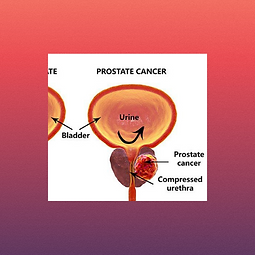
Prostate Cancer
Refers to the Cancer of the Prostate, that begins in the specified organ, a gland inside the pelvis (the area between the hip bones in the lower belly) that surrounds the urethra (the tube that empties the bladder).
symptoms
-
Dysuria or difficulty in urination
-
presence of a decreased stream in urination
-
Hematuria
-
Presence of Blood in semen
-
Presence of Bone Pain
-
Presence of Weight loss
-
Erectile Dysfunction
Risk Factors
-
Accumulating age and age over 50
-
Race
-
Family History
-
Presence of Obesity
.png)
.png)
treatment
-
Prostatectomy
-
Radiation Therapy
-
Cryotherapy
-
Hormone therapy
-
Chemotherapy
-
Immunotherapy
-
Targeted drug therapy
prevention
-
Implementing a Healthy diet of fruits and greens
-
Taking a pause on supplements and following healthy foods for stability
-
Exercising routinely in most days of the week
-
Maintaining a healthy weight
-
Consult your physician about the risks of prostate cancer
-
Consult your doctor for additional information needed for well-being.
Testicular Cancer
Refers to the Cancer of the Testes, which begins on the specified organ (Testes), which is the two egg-shaped glands that produce sperm in the scrotum (ball sac) near the base of the penis.
symptoms
-
Presence of a lump or enlargement in either testicle
-
Presence of a heaviness in the scrotum
-
Presence of aching pain in the groin or abdomen
-
Presence of Liquid accumulation in the scrotum
-
Presence of pain or discomfort in the testicle or the scrotum
-
Presence of enlargement or tenderness of the breasts
-
Presence of back pain
treatment
-
Radical inguinal orchiectomy
-
Retroperitoneal lymph node dissection
-
Radiation therapy
-
Chemotherapy
-
Clinical Trials
-
Consult your doctor for additional information needed for well-being.
Risk Factors
-
Cryptorchidism or undescended testicles
-
Presence of testicle development
-
Family history of the abnormality
-
Ages between 15 and 35
-
Race which is more common in white men than in black men
.png)
.png)
